10 Foods That Help Support Healthy Blood Sugar
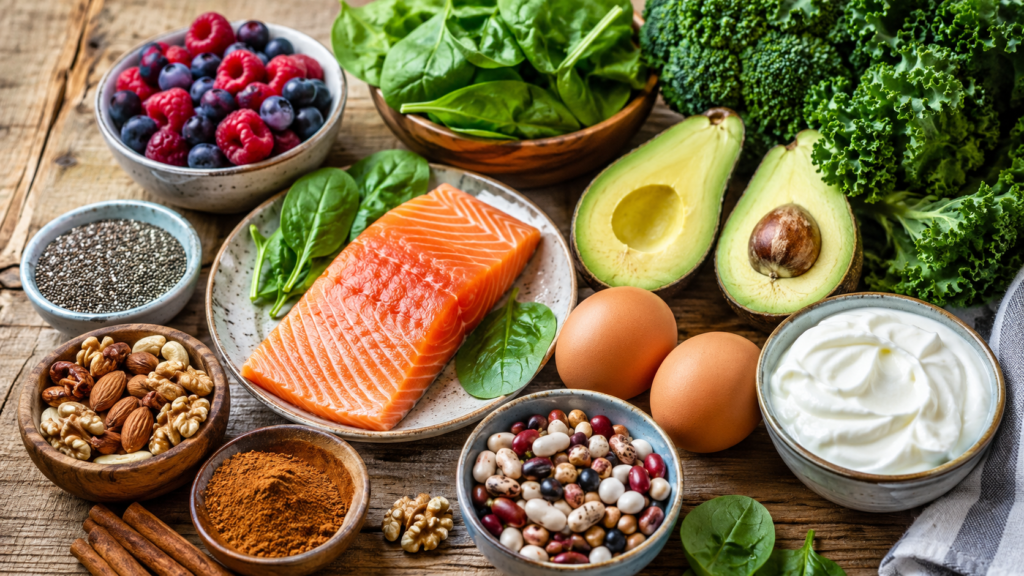
Foods for Healthy Blood Sugar: Top 10 Choices
Maintaining healthy blood sugar levels is one of the most important steps you can take to support long-term health and overall well-being. While no single food can prevent or cure diabetes, choosing nutrient-rich foods as part of a balanced eating pattern may help support healthy glucose metabolism, improve energy levels, and promote metabolic health.
Foods rich in fiber, healthy fats, lean protein, and essential vitamins can slow digestion and help reduce rapid blood sugar spikes after meals. Combined with regular physical activity, quality sleep, and maintaining a healthy weight, these dietary choices can contribute to better blood sugar management over time.
To better understand how your long-term blood sugar is measured, read our guide on What Is A1C and Why It Matters After 50.
Here are ten foods that may support healthy blood sugar as part of an overall healthy lifestyle.
1. Leafy Green Vegetables
Leafy greens such as spinach, kale, Swiss chard, and arugula are packed with vitamins, minerals, antioxidants, and fiber while remaining naturally low in carbohydrates.
Because they have a low glycemic impact, leafy greens fit well into many healthy eating plans. They also provide nutrients like magnesium and vitamin K that support overall health.
Try adding leafy greens to salads, omelets, smoothies, soups, or stir-fries.
2. Eggs
Eggs are an excellent source of high-quality protein and healthy fats. Protein can help increase feelings of fullness, which may reduce overeating and support weight management.
A balanced breakfast that includes protein may help reduce blood sugar fluctuations later in the day compared with meals high in refined carbohydrates.
Choose boiled, scrambled, or poached eggs instead of fried versions prepared with excessive oil.
3. Avocados
Avocados are rich in monounsaturated fats and dietary fiber while being naturally low in sugar.
Healthy fats slow digestion and help create more stable energy levels after meals. Avocados also provide potassium and other nutrients that contribute to heart health.
Enjoy sliced avocado on whole-grain toast, salads, sandwiches, or as homemade guacamole.
4. Nuts
Almonds, walnuts, pistachios, pecans, and other tree nuts provide protein, healthy fats, fiber, and important minerals.
A small handful of unsalted nuts makes an excellent snack that may help reduce hunger between meals.
Because nuts are calorie-dense, portion control remains important.
5. Berries
Blueberries, strawberries, raspberries, and blackberries contain natural sugars but are also rich in fiber and antioxidants.
Their relatively low glycemic index makes them a smarter fruit choice compared with many sweet desserts or processed snacks.
Fresh or frozen berries pair well with plain Greek yogurt or oatmeal.
6. Salmon
Salmon is an outstanding source of omega-3 fatty acids and lean protein.
Omega-3 fats support cardiovascular health, which is especially important because people with diabetes often have a higher risk of heart disease.
Aim to include fatty fish like salmon at least twice per week as part of a balanced diet.
7. Greek Yogurt
Plain Greek yogurt contains more protein and less sugar than many flavored yogurts.
Protein helps promote satiety, while probiotics may support gut health. When choosing yogurt, look for plain, unsweetened varieties and add fresh berries if you prefer additional flavor.
8. Oats
Steel-cut oats and old-fashioned rolled oats are good sources of soluble fiber, particularly beta-glucan.
Fiber slows carbohydrate digestion and may help reduce rapid increases in blood sugar after meals.
Avoid instant oatmeal products that contain added sugars whenever possible.
9. Beans and Lentils
Beans, lentils, chickpeas, and other legumes provide an excellent combination of plant protein, fiber, and complex carbohydrates.
Because fiber slows digestion, legumes often have a lower glycemic effect than refined grains.
They can be added to soups, salads, chili, tacos, or grain bowls.
10. Cinnamon
Cinnamon is a popular spice that adds flavor without adding sugar.
Although research on cinnamon and blood sugar remains mixed, using cinnamon as part of a healthy eating pattern is a simple way to enhance meals while reducing the need for added sugar.
Sprinkle cinnamon on oatmeal, yogurt, apples, or coffee for extra flavor.
Additional Tips for Healthy Blood Sugar
Choosing healthy foods is only one part of maintaining stable blood sugar. Consider these additional lifestyle habits:
- Stay physically active most days of the week.
- Eat balanced meals that include protein, healthy fats, and fiber.
- Limit sugar-sweetened beverages.
- Stay well hydrated.
- Prioritize quality sleep.
- Maintain a healthy body weight whenever possible.
- Follow your healthcare provider’s recommendations if you have diabetes or prediabetes.
Final Thoughts
A healthy eating pattern built around whole, minimally processed foods can play an important role in supporting healthy blood sugar levels. Foods such as leafy greens, eggs, avocados, nuts, berries, salmon, Greek yogurt, oats, beans, and cinnamon provide valuable nutrients that fit well into many balanced diets.
Rather than focusing on a single “superfood,” aim to create consistent healthy eating habits over time. Small, sustainable changes often produce the greatest long-term benefits.
If you have diabetes, prediabetes, or other medical conditions, consult your healthcare provider or a registered dietitian before making significant dietary changes.